
Earwax is a mix of oils, skin cells and natural secretions designed to protect the ear canal.
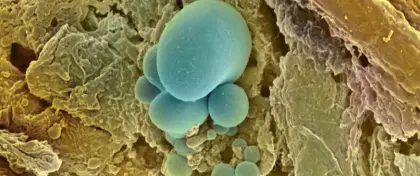
Earwax (cerumen) is much more than a harmless nuisance — it’s a biological archive that stores clues about health, environment and even ancient civilisations. From genetic markers to climate information, here’s a look at what makes earwax such an extraordinary substance.
1. Your Earwax Type Is Written in Your Genes
Two types:
- Wet (brown, sticky)
- Dry (flaky, pale)
A single gene — ABCC11 — determines which type you have.
This gene also relates to sweat gland activity, meaning earwax can help trace ancient population movements.
2. Earwax Captures Environmental Clues
Earwax traps tiny particles: pollen, dust, smoke and even pollution.
Archaeologists analysing preserved remains can determine:
- The climate someone lived in
- Exposure to fire or woodsmoke
- Whether industrial or agricultural environments were nearby
3. It Stores Long-Term Records — Like “Tree Rings” in the Ear
Layered cerumen accumulates slowly, holding biochemical clues about:
- Diet
- Hormone fluctuations
- Stress
- Exposure to toxins or metals
Whale studies have shown annual patterns in hormones and stress through earwax layers — an approach now also applied to ancient humans.
4. Archaeologists Use Earwax to Study Ancient Lives
Earwax can survive for centuries.
Researchers studying mummified or preserved remains have used cerumen to identify:
- Disease markers
- Pregnancy or hormonal changes
- Smoke exposure
- Environmental contamination
- Urban vs rural lifestyles
5. Earwax Is a Natural Defence System
Modern hearing clinics like Coastal Hearing know earwax is essential:
- Antibacterial and antifungal
- Moisturises the ear canal
- Self-cleans by migrating outward
- Protects the eardrum from debris
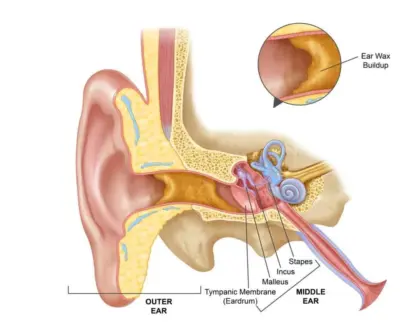
But when buildup becomes excessive, safe removal is key to protecting hearing and preventing infections.
In Short:
Earwax isn’t just a healthcare topic — it’s a scientific goldmine.
From archaeology to audiology, it tells stories about who we are, where we lived and how our bodies adapted to the world.
Q1: What is earwax made of?
Q2: Why do archaeologists study earwax?
Cerumen can survive for centuries and stores biological and environmental information about ancient populations.
Can earwax show health or diet?
Yes. Earwax layers reveal long-term exposure to stress, diet, hormones and environmental toxins.
Q4: Is earwax removal safe?
Professional microsuction is the safest and most effective method, recommended by hearing specialists.
Q5: How often should earwax be removed?
Only when it becomes impacted or affects hearing—many people need it annually, others less often.